seismic wire, also known as geophone cable, plays a vital role in seismic exploration. This specialized wire is designed to accurately capture ground vibrations and convert them into electrical signals for further analysis. The use of seismic wire has revolutionized the field of geophysics, allowing researchers to study the Earth’s subsurface with unprecedented detail. In this article, we will delve into the essentials of seismic wire and its applications in seismic exploration.
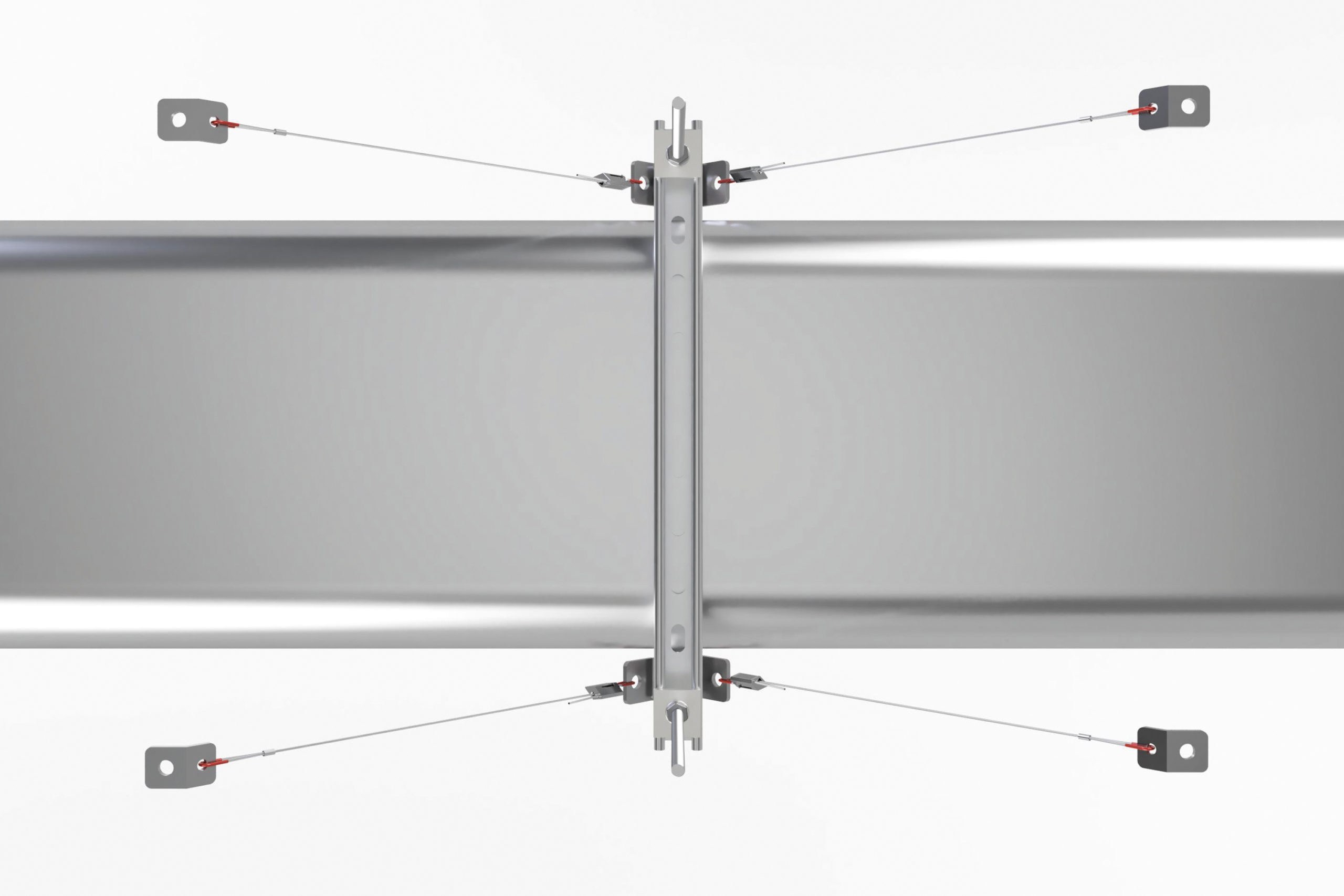
seismic wire is typically made of high-quality materials that can withstand the harsh conditions of seismic surveys. These cables are designed to be durable, flexible, and resistant to environmental factors such as temperature fluctuations, moisture, and abrasion. The core component of seismic wire is the geophone, a sensor that detects ground vibrations. Geophones are strategically spaced along the wire, allowing for the accurate measurement of seismic waves as they travel through the Earth.
The primary function of seismic wire is to capture seismic signals generated by controlled sources such as explosives or vibrating plates. These signals travel through the ground in the form of compressional and shear waves, which are detected by the geophones along the wire. The geophones convert these mechanical vibrations into electrical signals, which are then transmitted through the wire to recording equipment at the surface.
seismic wire is essential for imaging the subsurface geology and identifying potential oil, gas, and mineral deposits. By analyzing the seismic data collected by the wire, geophysicists can create detailed three-dimensional models of the Earth’s subsurface. This information is crucial for various industries, including oil and gas exploration, mining, and environmental assessment.
In oil and gas exploration, seismic wire is used to map underground rock formations and locate potential reservoirs of hydrocarbons. By analyzing the seismic data collected by the wire, geoscientists can identify structural traps, fault lines, and other subsurface features that may contain oil and gas deposits. This information is used to guide drilling operations and maximize the chances of success in extracting valuable resources from the earth.
Seismic wire is also used in mining to study the subsurface geology and identify mineral deposits. By conducting seismic surveys with the aid of wire, geologists can map the distribution of minerals, rocks, and other valuable resources beneath the Earth’s surface. This information is crucial for planning mining operations, evaluating the economic viability of mineral deposits, and minimizing environmental impacts.
In addition to resource exploration, seismic wire is used in environmental geophysics to study the Earth’s structure and monitor natural hazards such as earthquakes and landslides. By deploying seismic wire in seismically active regions, researchers can monitor ground movements in real-time and provide early warning of potential disasters. This information is vital for disaster preparedness, urban planning, and infrastructure development in earthquake-prone areas.
Overall, seismic wire plays a crucial role in seismic exploration and geophysical research. Its ability to accurately capture ground vibrations and convert them into electrical signals makes it an indispensable tool for studying the Earth’s subsurface. By analyzing the seismic data collected by the wire, researchers can gain valuable insights into the geology, seismicity, and resources of the Earth, leading to advancements in various industries and our understanding of the planet’s dynamic processes.
In conclusion, seismic wire is a versatile and essential component of seismic exploration. Its ability to capture seismic signals and convert them into actionable data has revolutionized the field of geophysics, allowing researchers to study the Earth’s subsurface with unprecedented detail. Whether it is for resource exploration, environmental monitoring, or hazard assessment, seismic wire continues to play a vital role in advancing our knowledge of the planet.